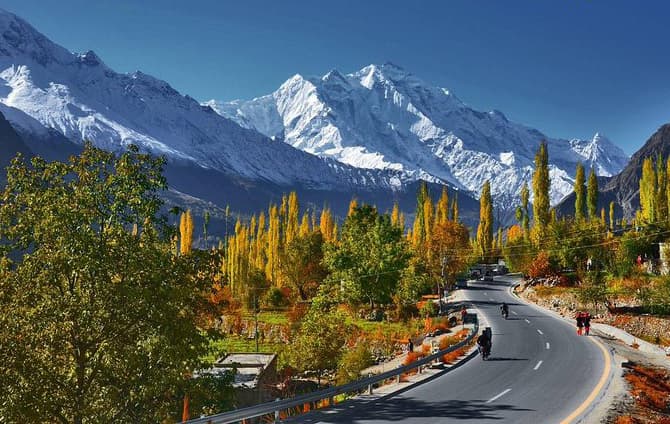
Winter transforms the Hunza Valley into a quiet realm of snow-dusted peaks, crisp alpine air, and serene mountain vistas. While most summer crowds disperse by late October, travelling during winter in Hunza offers a rare, tranquil perspective on one of Pakistan's most spectacular high-altitude regions. Majestic granite spires framed by fresh snow, historic fortresses standing against white mountain backdrop, and warm village hospitality define the cold season. However, visiting Gilgit-Baltistan between November and March requires thorough preparation, realistic expectations regarding transport and room heating, and an understanding of seasonal operational shifts. As local transport and tour coordinators, our team at Hunza Wheels has compiled this realistic guide to help international travellers plan a rewarding, comfortable, and well-managed winter trip through the Karakoram region.
Understanding Winter in Hunza: Weather, Snowfall and Seasonality
Winter in the Karakoram range brings a dramatic transformation to the landscape, but conditions vary significantly across different elevations and months. Understanding the local climate helps you decide when to travel and what to expect on the ground. Low temperatures, clear morning skies, and periodic snowfall characterise the months between December and February, though shoulder months like November and March bring their own distinct atmosphere.
Temperatures in Central Hunza, which includes towns like Karimabad and Aliabad, frequently drop below freezing at night during peak winter, while daytime temperatures can remain mild under direct sunlight. Upper Hunza, often referred to as Gojal, sits at higher altitudes and experiences noticeably colder conditions, heavier snowfall, and biting winds. Weather patterns in mountain corridors are inherently variable, meaning clear blue skies can quickly yield to overcast conditions and localized snow flurries.
- November: Early winter transitions; cool days, freezing nights, minimal valley snow, lower tourist numbers.
- December: Mid-winter onset; high chances of snowfall on elevated ridges and occasional valley accumulation, very cold nights.
- January: Peak winter cold; highest probability of valley floor snowfall, frozen lakes, dramatic winter light, lowest ambient temperatures.
- February: Late winter; heavy snow accumulation on higher mountain passes, crisp atmospheric clarity, gradually extending daylight.
- March: Early spring transition; melting snow in lower valleys, changing road conditions, unpredictable weather shifts.
Early Winter versus Peak Winter Conditions
Early winter, covering late November and early December, offers crisp daytime air and exceptional atmospheric clarity. Mountain peaks such as Rakaposhi, Diran, and Golden Peak stand out sharply against cobalt skies. While higher pastures receive snow early, valley floors like Karimabad may remain mostly clear, making foot travel along village pathways straightforward.
Peak winter, running from mid-December through February, brings the quintessential snowbound scenery many winter travellers seek. Valley floors, orchard terraces, and traditional flat roofs often wear thick layers of fresh snow. However, peak winter also brings shorter daylight hours, intense cold after sunset, and potential travel delays caused by mountain pass maintenance or ice accumulation on shaded road stretches.
Snowfall Distribution across Central and Upper Hunza
Snowfall is rarely uniform across the valley. Lower and Central Hunza receive moderate snowfall that may melt within a few days under strong winter sunshine. In contrast, Upper Hunza towns such as Gulmit, Passu, and Sust experience prolonged freezing temperatures, allowing snow to settle for longer periods on the ground.
Visual highlights such as the Passu Cones take on a starkly majestic appearance in winter, with deep gullies filled with white snow accentuating their jagged vertical spires. Because local weather forecasts in high-mountain regions can be imprecise, travellers should remain flexible with daily schedules and prepare for sudden changes in road surface conditions.
Major Attractions and Experiences During the Cold Season
Travelling during winter in Hunza provides uninterrupted access to famous cultural landmarks and natural features without the bustling crowds of peak summer. Sightseeing takes on a peaceful rhythm, allowing visitors to appreciate the scale of the Karakoram scenery and interact closely with local communities.
While higher alpine trekking routes are closed or restricted during winter due to heavy snow accumulation and avalanche risks, valley-level exploration remains vibrant. Most cultural heritage sites, scenic viewpoints, and village settlements remain accessible, provided you travel with suitable transport and appropriate winter footwear.
- Baltit Fort: Ancient fortress overlooking Karimabad with winter mountain views.
- Altit Fort and Royal Garden: Historic tower perched above the Hunza River, surrounded by peaceful winter orchards.
- Attabad Lake: Turquoise alpine lake contrasting sharply with surrounding snow-capped peaks.
- Hussaini Suspension Bridge: Icon of Upper Hunza, offering striking winter photography opportunities.
- Passu Valley and Cones: Dramatic jagged peaks framed by winter skies and frozen riverbeds.
Historic Fortresses: Baltit and Altit
The historic castles of Baltit and Altit are standing testaments to Hunza's rich history and architectural heritage. Located in Karimabad and Altit village respectively, these centuries-old structures offer fascinating insights into traditional Himalayan architecture, defense systems, and royal heritage.
In winter, visiting these forts feels remarkably private. The ancient timber and stone rooms provide shelter from winter winds, while the elevated watchtowers offer sweeping panoramic views across snow-dusted apricot orchards down to the frozen valley floor. Opening hours and guided tour availability may shift seasonally, so verifying schedules locally upon arrival in Karimabad is recommended.
Attabad Lake, Passu Cones and Upper Hunza
Attabad Lake remains a stunning visual highlight throughout the cold season. The deep turquoise water creates a vivid contrast against white mountain slopes and sheer rock walls. While water sports and boat operations are substantially reduced or paused during winter months due to ice and extreme cold, viewing the lake from shoreline viewpoints remains breathtaking.
Further north along the Karakoram Highway, the iconic Passu Cones present an unforgettable skyline. Nearby villages like Gulmit and Passu offer peaceful walks along quiet lanes where local life continues at a calm winter pace. The famous Hussaini Suspension Bridge can also be visited, though extra caution is required when walking on wooden planks that may hold morning frost or ice patch accumulation.
Cultural Warmth, Culinary Traditions and Local Hospitality
Winter is a wonderful season to experience authentic Hunzakut hospitality. With regular agricultural work paused for the season, local villagers often have more time to share stories, explain traditional customs, and demonstrate regional handicrafts.
Traditional winter cuisine in Hunza is designed to provide energy and warmth. Local eateries and guesthouses serve nourishing dishes such as Chapshuro (savory meat-filled flatbreads), Dowdo (a warming local noodle soup with mountain herbs), and items prepared with locally harvested apricot kernels, walnuts, and dried fruits. Enjoying a hot meal around a traditional wood-burning stove is one of the most memorable winter cultural experiences.
Navigating Winter Travel: Flights, Highways and Vehicles
Reaching and travelling around Gilgit-Baltistan during winter requires realistic transport planning. Mountain geography means weather conditions directly impact travel times, flight schedules, and road safety. Understanding your transport options helps ensure a seamless and safe journey.
All travellers should note that domestic flight schedules, mountain highway conditions, fuel availability, and seasonal access points can change without prior warning. It is essential to maintain flexible itineraries and consult official local sources or experienced transport providers before departing.
- Gilgit Airport Flights: Fast option, but subject to high cancellation rates due to winter cloud cover or low visibility.
- Karakoram Highway (KKH): Reliable overland artery connecting Islamabad to Hunza, offering dramatic mountain landscapes.
- Four-Wheel Drive Vehicles: Highly recommended for traversing steep village roads, shaded ice patches, and unpaved access tracks.
- Professional Mountain Drivers: Invaluable for navigating localized winter hazards, black ice, and mountain pass conditions.
Flying to Gilgit versus Overland Travel via KKH
Flights from Islamabad to Gilgit offer a quick 45-minute journey over spectacular mountain ranges when skies are clear. However, Gilgit Airport operates under visual flight rules, meaning flights are frequently delayed or cancelled due to fog in Islamabad or overcast conditions over northern mountain passes. Travellers choosing to fly should always build buffer days into their itineraries.
The overland journey via the Karakoram Highway (KKH) represents a robust alternative. While the drive takes considerably longer, modern road improvements have made the KKH a dependable paved highway through the Indus and Gilgit river valleys. Travelling overland allows you to experience the gradual transition from lowland plains to mountain valleys, though winter journeys require experienced mountain drivers familiar with long-distance road safety.
Winter Road Conditions, Black Ice and Vehicle Selection
Main highway stretches are systematically cleared, but secondary access roads leading to steep villages like Karimabad, Duikar, or Naltar can encounter surface freezing. Black ice frequently forms during late night and early morning hours in shaded cliff stretches where sunlight does not penetrate.
For winter travel in Hunza, choosing a well-maintained 4WD vehicle equipped with proper tire tread and heating is essential. Experienced local drivers understand how to adjust driving techniques for icy turns, monitor engine temperatures in sub-zero conditions, and handle mountain logistics smoothly.
Preparing for Cold Weather: Heating, Accommodation and Gear
Winter travel in high-altitude environments requires proactive preparation. Hotel offerings, indoor heating standards, and power infrastructure differ significantly from city standards in Pakistan. Aligning your expectations and gear with winter realities guarantees a comfortable trip.
Many larger luxury hotels close seasonally after autumn, but a good selection of boutique hotels, winter-ready guesthouses, and homestays remain open across Karimabad, Aliabad, and Gulmit. Verifying heating facilities prior to booking is a crucial step for winter visitors.
- Wood-Burning Stoves (Bukhari): Traditional heating system widely used in guesthouses, providing effective ambient warmth.
- Gas and Electric Heaters: Common in modern hotels, though subject to fuel availability and power schedules.
- Thermal Layering: Merino wool or synthetic base layers, fleece mid-layers, and windproof outer jackets.
- Footwear: Waterproof winter boots with deep tread for grip on frozen ground or loose snow.
- Power Banks: Cold weather drains battery life rapidly; carrying portable power sources is strongly advised.
Indoor Heating Options and Electricity Reliability
Heating arrangements in mountain hotels vary. The most reliable and cozy heating source found in Hunza is the traditional bukhari—a metal wood-burning stove installed in dining rooms and guest quarters. Stoves generate substantial heat and create a inviting atmosphere during freezing winter evenings.
Electricity supply in rural mountain districts can be intermittent, particularly during winter months when hydropower capacity fluctuates. Some accommodations utilize generators or solar backup systems, while others rely on traditional wood stoves and extra heavy blankets. Always inquire directly with accommodations regarding their winter heating and warm water availability before finalizing reservations.
Essential Winter Packing Checklist
Dressing in layers is the most effective strategy for managing temperature changes between cold outdoor walks and heated indoor spaces. Start with high-quality thermal underwear, add an insulating fleece or down mid-layer, and finish with a windproof and waterproof outer shell.
Accessories are vital: pack a warm beanie, insulated gloves, thermal socks, and a fleece neck gaiter. Strong mountain sunlight reflects intensely off fresh snow, so UV-blocking sunglasses and high-SPF sun protection are mandatory even on cold days. Adequate skin moisturizers and lip balms will protect against dry alpine winds.
Responsible Travel and Safety: Sightseeing vs Mountaineering
Distinguishing standard valley sightseeing from high-altitude trekking or mountaineering is essential for safety in the Karakoram region. Winter transforms gentle summer hiking trails into hazardous terrain requiring specialized technical equipment, mountaineering permits, and professional search-and-rescue planning.
Valley sightseeing—such as strolling through historic villages, visiting viewpoints, and travelling between towns along the KKH—is suitable for standard leisure travellers when using professional transport. Conversely, attempting high-altitude treks to places like Rakaposhi Base Camp, Rush Lake, or high mountain passes in mid-winter carries extreme risks of avalanche, frostbite, and sudden blizzards.
Responsible travellers must respect local guidelines, stick to established valley trails, and hire registered local guides when venturing off main roads. Additionally, visitors should practise responsible cultural etiquette: ask permission before taking photographs of residents, dispose of rubbish responsibly, and support local small businesses by purchasing locally produced crafts and foods.
Planning Your Winter Itinerary with Hunza Wheels
Executing a successful winter journey through northern Pakistan requires reliable logistics, flexible scheduling, and trusted local transport. Operating in low temperatures on high-altitude roads demands specialized vehicle maintenance and drivers who know the region intimately.
At Hunza Wheels, we specialize in providing reliable private vehicles, experienced mountain drivers, and customized itinerary planning tailored specifically for cold-weather conditions. Whether you need an overland transfer along the Karakoram Highway, a comfortable 4WD for exploring Upper Hunza, or complete valley transport logistics, our local team ensures your safety and comfort throughout your journey.
To start organizing your personalized winter journey and review options, explore available arrangements on the Hunza Wheels Tours page (../tours.html) and consult our team directly to tailor transport to your travel dates and preferences.
Explore this destination with Hunza Wheels
Explore available Hunza Wheels private tours and discuss suitable transport and itinerary arrangements for your trip.
Frequently asked questions
Is winter a good time to visit Hunza Valley?
Yes, winter is an excellent time for travellers seeking peaceful landscapes, snow-capped peaks, and authentic cultural experiences without summer crowds. However, visitors must be prepared for freezing temperatures, quiet towns, and potential travel delays.
Does it snow on the valley floor in Hunza?
Valley floors in Central and Upper Hunza generally experience snowfall between December and February. While snow in Upper Hunza (Gojal) often lingers, valley snow in Karimabad may melt quickly under clear daytime sunlight.
Are roads to Hunza open during winter months?
The Karakoram Highway (KKH) remains open throughout winter as a vital supply route, though high mountain passes or shaded sections may experience temporary ice build-up or clearings. Using an experienced local driver and a well-maintained 4WD vehicle is highly recommended.
Do I need special permits to travel to Hunza in winter?
Standard valley sightseeing along main highway corridors and tourist villages does not usually require special permits for foreign tourists, beyond valid visas and official passport registration at checkpoints. However, regulated border zones or high-altitude mountaineering routes require specific permits.
How can I book reliable winter transport in Hunza?
You can arrange pre-booked private vehicles, airport pickups, and guided valley transport directly through local operators. Visit the Hunza Wheels Tours page (../tours.html) to view tailored vehicle options and plan your winter itinerary with local coordinators.