Pakistan offers international travellers an extraordinary blend of silk road history, dramatic mountain scenery, and warm hospitality. Planning a journey for 2027 requires practical knowledge of entry visas, regional climates, transportation options, and local customs. From the heritage cities of Punjab to the high valleys of Gilgit-Baltistan, navigating this vast nation successfully depends on thorough preparation and flexibility. This guide provides reliable, realistic advice to help you plan an itinerary tailored to your interests, whether you wish to explore ancient cultural landmarks or travel through spectacular mountain passes.
Visa Regulations, Documentation, and Official Permits
International tourists visiting Pakistan must obtain an official visa prior to arrival. The government of Pakistan operates an online visa portal (e-Visa system) that allows citizens from over one hundred countries to apply for tourist visas electronically. When submitting an application, you will typically need a passport valid for at least six months beyond your planned date of departure, a passport-sized photograph, proof of accommodation bookings, and a tentative travel itinerary. Processing times can vary depending on your nationality and visa category, so submitting your application well in advance of your travel dates is strongly recommended.
Visa policies, fee structures, and application guidelines can change without prior notice. It is essential to verify current requirements on the official Pakistan Online Visa System portal or through your nearest Pakistani embassy or consulate before booking non-refundable international flights. Always print physical copies of your issued e-Visa and carrying them alongside your passport, as physical documents are routinely checked at airport entry points and regional security checkpoints.
- Ensure your passport has at least six months of remaining validity from your scheduled entry date.
- Apply for your e-Visa exclusively through official government channels.
- Keep physical printouts of your visa grant letter, flight confirmations, and hotel reservations.
- Carry multiple physical passport copies for local registration points along mountain routes.
Differentiating Sightseeing from Regulated Trekking
A standard tourist visa permits general cultural travel, urban sightseeing, and road trips along major highways and open valleys such as Hunza or Swat. However, engaging in high-altitude mountaineering, off-piste trekking, or entering restricted border areas involves a distinct regulatory process. Adventurers planning to trek near restricted zones or climb peaks above six thousand metres must secure a mountaineering or trekking permit, which frequently requires a Non-Objection Certificate (NOC) and mandatory accompaniment by a licensed mountain guide. Always confirm whether your planned itinerary crosses into restricted zones, and work with certified local adventure operators to handle specialized permit paperwork well in advance.
Choosing the Right Season: Weather and Regional Timing
Pakistan experiences vastly different climatic conditions depending on the altitude and geographical region. Choosing the optimal time to visit depends heavily on whether your itinerary focuses on southern historical cities or northern alpine valleys. The country generally experiences four main seasonal phases, each presenting unique advantages and challenges for international visitors.
Spring, spanning from March to May, is widely considered one of the finest periods to travel. In northern regions such as the Hunza and Baltistan valleys, spring brings the bloom of cherry, apricot, and apple blossoms against snowy peaks. Temperatures in central hubs like Lahore and Islamabad remain pleasant for city walking tours before the intense summer heat sets in.
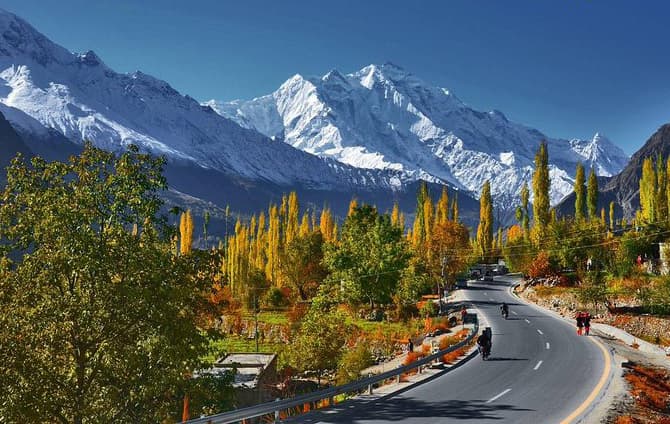
Autumn, running from September to November, is another prime travel window. Northern valleys transform into brilliant displays of yellow, orange, and deep red foliage. During these months, the weather is typically dry, skies are clear, and mountain roads are generally clear of winter snow, creating ideal conditions for scenic road journeys and valley walking.
- Spring (March to May): Blossom season in northern valleys; comfortable urban sightseeing.
- Summer (June to August): High mountain passes open; hot in southern plains with monsoon rains.
- Autumn (September to November): Golden autumn foliage, clear skies, and stable mountain weather.
- Winter (December to February): Ideal for heritage travel in Lahore, Multan, and Karachi; snowy conditions in the north.
Summer Heat and High Mountain Access
The summer months of June through August bring elevated temperatures to the southern and central plains, with daytime heat frequently exceeding forty degrees Celsius in cities like Lahore and Multan. Summer also marks the monsoon season, which can bring heavy downpours, localized flooding, and occasional landslides in hill stations. Conversely, summer is peak season for high-altitude mountain travel, as elevated passes such as Babusar Top become clear of snow, linking Islamabad to Gilgit-Baltistan by road.
Winter Travel Considerations
Winter lasts from December to February and is the best time to explore southern Pakistan, including Karachi, Sindh province, and the historical monuments of Punjab, where daytime weather is mild and comfortable. In the northern mountains, winter brings heavy snowfall, sub-zero temperatures, and seasonal closures of high-altitude roads. While lower valley towns remain reachable by air or main highways, mountain travel during winter requires specialized cold-weather preparation and flexible schedules.
Transport and Infrastructure: Navigating Pakistan Safely
Navigating Pakistan requires an understanding of regional transportation networks. Long-distance travel between major urban centres like Karachi, Lahore, Rawalpindi, and Islamabad is facilitated by modern motorways, intercity bus networks, and domestic flights. However, travelling into the rugged northern terrain of Gilgit-Baltistan presents unique logistical considerations.
Domestic flights operate regularly between Islamabad and mountain airstrips in Gilgit and Skardu. Flying offers breathtaking aerial views of the Himalayas and Karakoram ranges, cutting travel time significantly compared to driving. However, because mountain air travel depends entirely on visual flight rules, flights are subject to delays or cancellations due to cloud cover, wind, or low visibility. Travellers relying on mountain flights should always build buffer days into their itineraries to accommodate potential flight rescheduling.
- Build flexible buffer days into your itinerary when booking domestic flights to Gilgit or Skardu.
- Utilize private, four-wheel-drive vehicles with experienced drivers for rugged side valleys.
- Prepare for long road journeys along mountain highways like the Karakoram Highway.
- Monitor local weather reports and road status updates daily during your travel.
Road Travel and Hiring Local Vehicles
Travelling by road allows visitors to experience famous routes such as the Karakoram Highway (KKH), which winds alongside the Indus and Hunza rivers. While main highways are paved, mountain roads can experience surface wear, rockfalls, and construction delays. Driving in these terrain conditions requires localized expertise, high clearance, and well-maintained vehicles.
For travellers seeking smooth, well-organized ground transport throughout Gilgit-Baltistan and surrounding regions, partnering with a dependable local provider is highly practical. You can explore available Hunza Wheels Tours at ../tours.html to review custom vehicle options, private drivers, and tailored transport arrangements suitable for your specific travel itinerary.
Key Regions and Experiences Across Pakistan
Pakistan offers diverse experiences spanning ancient history, architectural heritage, and alpine nature. Dividing your trip by geographical region helps ensure a balanced travel experience that matches your available time and physical preferences.
In the south and central regions, Punjab and Sindh are rich in cultural heritage. Lahore serves as Pakistan's cultural capital, home to magnificent Mughal landmarks including the Badshahi Mosque, Lahore Fort, and the Shalimar Gardens. Further south, the ancient city of Multan offers magnificent Sufi shrines adorned with blue tilework, while the UNESCO World Heritage site of Mohenjo-daro in Sindh reveals the sophistication of the ancient Indus Valley Civilization.
- Lahore: Explore Mughal architecture, vibrant street food streets, and historical fortresses.
- Islamabad: Visit the iconic Shah Faisal Mosque and enjoy scenic viewpoints in the Margalla Hills.
- Hunza Valley: Visit ancient Altit and Baltit forts, Attabad Lake, and the Passu Cones.
- Skardu & Baltistan: Experience high-altitude plateaus, alpine lakes, and gateway routes to Karakoram peaks.
- Swat Valley: Discover ancient Buddhist heritage, green meadows, and historical mountain side-valleys.
Exploring the Northern Valleys
The northern mountain territories of Gilgit-Baltistan and Khyber Pakhtunkhwa feature world-renowned landscapes. The Hunza Valley is celebrated for its historic forts, organic orchards, and panoramic views of high peaks such as Rakaposhi. Skardu acts as the gateway to the mighty Karakoram range, cold deserts, and the Deosai National Park plateau. For general travellers, valley tours offer spectacular scenery accessible via vehicle travel and gentle walks. Higher-altitude excursions, such as reaching Fairy Meadows or trekking toward K2 Base Camp, demand physical fitness, proper alpine gear, and formal guided assistance.
Practical Essentials: Money, Connectivity, and Etiquette
Managing practical logistics efficiently ensures a smooth travel experience once you arrive in Pakistan. Cash remains the dominant payment method across most of the country, particularly outside major metropolitan cities.
The national currency is the Pakistani Rupee (PKR). While high-end hotels, major supermarkets, and fine dining establishments in Islamabad, Lahore, and Karachi accept foreign credit cards, cash is essential for purchasing meals, paying local drivers, shopping in bazaars, and travelling in mountain towns. Automated Teller Machines (ATMs) are available in urban centers, but international card compatibility can occasionally be unreliable in remote mountain regions. It is wise to notify your bank of your travel dates and carry sufficient cash reserves when travelling away from major cities.
- Carry adequate local cash (PKR) when travelling outside major metropolitan areas.
- Obtain a local SIM card upon arrival at major international airports for mobile data access.
- Dress conservatively by covering shoulders and knees in public places.
- Always request permission before taking photos of local residents, especially in rural areas.
Mobile Connectivity and Local Etiquette
Mobile network connectivity in Pakistan is generally strong in major urban centres and along main road corridors. International tourists can purchase a temporary local SIM card at major international airports upon arrival by presenting their original passport and valid visa. In Gilgit-Baltistan, specific local networks like SCOM provide reliable regional coverage where main national providers may have limited signal.
Respecting local cultural customs is central to enjoying a welcoming journey. Pakistan is a conservative society where modest dress is appreciated across all regions. Men and women should wear clothing that covers shoulders and knees. When visiting religious sites or traditional villages, loose-fitting clothing such as the traditional shalwar kameez is ideal, and women are recommended to carry a light scarf to cover their heads when required. Always greet people politely, respect local traditions, and ask permission before photographing individuals.
Safety, Health, and Verification Guidelines
International travel to Pakistan requires standard travel awareness and sensible precautions. Conditions on the ground can vary based on weather, seasonal changes, and local administrative updates. Visitors should monitor foreign diplomatic travel advice provided by their home governments, remain aware of their surroundings, and stay informed on local updates through reputable news outlets and local tour operators.
Health planning is equally important for a comfortable trip. Drinking bottled or thoroughly purified water is essential throughout your stay. Take sensible precautions with street food, selecting busy stalls where food is cooked fresh and served hot. When travelling to high-altitude destinations above 2,500 metres in Gilgit-Baltistan, allow adequate time for physical acclimatisation, stay hydrated, and avoid strenuous physical exertion during your initial days at high elevation.
Comprehensive international travel insurance is vital for any trip to Pakistan. Ensure your travel insurance policy explicitly covers emergency medical care, trip interruptions, and high-altitude mountain transport or medical evacuation if your travel plans include mountain valley journeys.
Explore this destination with Hunza Wheels
Explore available Hunza Wheels private tours and discuss suitable transport and itinerary arrangements for your trip.
Frequently asked questions
Do international tourists need a visa to visit Pakistan in 2027?
Yes, foreign nationals must hold a valid visa to enter Pakistan. Most international tourists can apply online for an e-Visa through the official Pakistan Online Visa System portal prior to travelling.
What is the best month to travel to northern Pakistan?
Spring from April to May and autumn from September to October are ideal months to visit northern valleys like Hunza and Skardu due to clear skies, moderate weather, and beautiful spring blossoms or autumn foliage.
Can I use credit cards during my trip across Pakistan?
Credit cards are accepted at major hotels and larger businesses in cities like Islamabad and Lahore, but cash in Pakistani Rupees (PKR) is essential for rural travel, markets, fuel, and northern valley regions.
Are domestic flights to Gilgit and Skardu reliable?
Flights to Gilgit and Skardu operate under visual flight rules and depend heavily on mountain weather conditions. Delays and cancellations can occur, so travellers should build flexible buffer days into their schedules.
Is a special permit required for standard mountain sightseeing?
Standard tourist visas permit general travel and sightseeing in open valleys like Hunza and Swat. However, restricted border zones, high-altitude trekking routes, and peak climbing require specialized NOC permits and licensed guides.