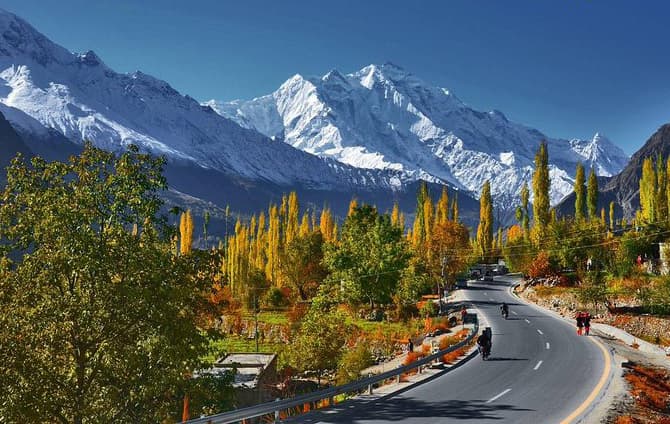
Planning a journey to Gilgit-Baltistan and the surrounding mountain valleys often begins with a fundamental question: is Northern Pakistan safe for international tourists in 2027? As global interest in high-mountain travel grows, international visitors are increasingly drawn to the Karakoram, Himalaya, and Hindu Kush ranges. While the region is celebrated for scenic grandeur and welcoming communities, evaluating travel safety requires a balanced understanding of mountain road conditions, seasonal weather patterns, local regulations, and geopolitical contexts. This practical guide provides clear, realistic advice for international travellers who wish to explore Northern Pakistan with preparation, awareness, and respect.
Understanding Safety and Security in Northern Pakistan
Evaluating Northern Pakistan travel safety requires distinguishing regional mountain conditions from broader national security contexts. Historically, the high-altitude territory of Gilgit-Baltistan, encompassing popular destinations such as Hunza, Nagar, Gilgit, Skardu, and Ghizer, has maintained a peaceful and stable social environment distinct from border zones or urban political centres. International diplomatic advisories periodically update their security guidance for Pakistan based on national political developments, so travellers should monitor updated government travel advice from their home country prior to departure.
For the vast majority of international visitors, violent crime in northern tourist destinations is exceptionally rare. Safety concerns in these mountain regions are overwhelmingly related to geography, physical terrain, weather hazards, and logistical constraints rather than personal security threats. Police checkpoints and tourist registration posts operate along major highways to log incoming visitors, monitor regional traffic, and provide local assistance. Navigating these checkpoints smoothly requires carrying valid identification, exercising standard common sense, and maintaining awareness of local regulations.
It is essential to recognize that safety conditions can change based on regional events, political shifts, or natural occurrences. Travellers should avoid making assumptions based on outdated reports or absolute guarantees. Checking current conditions through official channels, reputable international advisories, and local transport providers before setting off remains the most effective approach to risk management.
Official Travel Advisories versus Ground Realities
Foreign diplomatic travel advisories frequently apply broad risk categorisations across entire regions or provinces. While these formal advisories must be taken seriously for personal risk assessment and travel insurance validity, local ground realities in places like Hunza or central Skardu often feel calm and welcoming. Travellers are advised to cross-reference formal foreign office guidance with reports from local tourism bodies, established operators, and recent international visitors to form a well-rounded perspective.
Navigating Mountain Roads, Transport Options, and Driver Selection
The primary practical challenge for international tourists travelling through Northern Pakistan involves transport safety and mountain road navigation. Arteries like the Karakoram Highway, the Jaglot-Skardu Road, and narrower dirt tracks into remote valleys negotiate steep cliffs, deep river gorges, and active geological zones. Landslides, rockfalls, narrow single-lane stretches, and unpaved sections are common across the region, particularly after rain or seismic activity.
Choosing experienced drivers who know local road conditions, understand vehicle mechanics, and monitor weather forecasts is one of the most effective safety decisions you can make. While public buses operate along primary routes between Islamabad, Gilgit, and Skardu, they often run on rigid schedules and offer less flexibility when encountering unexpected road closures. Private chauffeured transport provides greater comfort, regular rest breaks, and the ability to adjust travel times based on daylight and weather conditions.
Selecting Reliable Local Transport Partners
Working with established local transport companies ensures that vehicles are routinely inspected for brake reliability, tyre quality, and engine health in demanding terrain. For customized mountain itineraries, private vehicle hire, and knowledgeable local drivers across Gilgit-Baltistan, travellers can consult the options on the Hunza Wheels Tours page at ../tours.html to plan suitable road transport for their journey.
Domestic Flights and Weather Dependencies
Domestic flights connecting Islamabad to Gilgit and Skardu provide dramatic views of mountain peaks like Nanga Parbat. However, these flights operate strictly under visual flight rules due to high mountain terrain. Cloud cover, heavy wind, or valley fog frequently cause flight delays or cancellations. Travellers should never schedule tight international departures immediately following a domestic flight in Pakistan, and should always maintain realistic contingency plans for overland travel.
Distinguishing Sightseeing from Trekking, Permits, and Regulations
Understanding administrative requirements is crucial for a smooth trip across Northern Pakistan. Regulations regarding entry permits, visitor registrations, and restricted areas vary depending on your destination, activity level, and proximity to sensitive international borders.
Standard valley sightseeing along established highways, such as visiting Karimabad, Attabad Lake, Passu, or downtown Skardu, generally requires only a valid passport, a standard Pakistani tourist visa, and regular registration at road checkpoints. Entry procedures, check-in requirements, and local fees change periodically, making it necessary to verify current regulations prior to your travel date.
- Carry at least ten to fifteen physical photocopies of your passport main page and valid Pakistani visa for checkpoint registrations along major highways.
- Differentiate between low-altitude valley sightseeing and high-altitude wilderness activities that require formal trekking permits.
- Obtain mandatory Non-Objection Certificates (NOC) and register with official tourism departments when planning treks in designated restricted or border zones.
- Always hire certified mountain guides and registered porters when venturing onto glaciers, high passes, or remote alpine trails.
Trekking and Mountaineering Safety Regulations
There is a fundamental difference between road-based sightseeing and alpine trekking or mountaineering. Deep-wilderness trekking, glacier crossings, and ascents above designated altitudes fall under specific mountain safety regulations. Attempting high-altitude treks without official permits, proper equipment, certified local guides, and comprehensive medical evacuation insurance poses severe personal risks and can result in significant legal consequences.
Seasonal Variations, Climate Considerations, and Weather Hazards
Weather patterns in Northern Pakistan exert a powerful influence on travel conditions, road access, and overall safety. The mountain environment experiences distinct seasons, each offering unique landscapes alongside specific practical considerations.
Spring, from April to May, brings temperate weather, blossoming fruit trees, and melting snowpack. While spring is visually striking, the melting ice increases the likelihood of minor rockfalls along cliffside roads. Summer, spanning June to August, brings warm temperatures and opens high-altitude passes like Babusar Top. However, summer also coincides with the monsoon season across mainland Pakistan, occasionally driving heavy moisture northwards that can trigger localized flash floods and landslides.
Autumn, from September to November, is widely regarded as one of the most stable and scenic seasons for mountain travel. Autumn brings crisp air, clear skies, low rainfall, and vibrant foliage across the valleys. Winter, from December to March, features freezing temperatures, heavy snow accumulation, and icy road surfaces. High mountain passes like Babusar Pass close completely during winter, requiring all road transport to divert along the lower Karakoram Highway through the Indus Gorge.
Altitude Awareness and Health Preparations
Elevated destinations such as the Deosai Plains, Khunjerab Pass, and high-altitude lakes sit at elevations exceeding three thousand metres above sea level. Rapid elevation gain can trigger acute mountain sickness regardless of age or fitness level. Symptoms include headaches, dizziness, nausea, and fatigue. Proper acclimatisation, gradual ascent schedules, and high fluid intake are essential precautions. Medical facilities in rural valleys are limited, so travellers should bring personal prescription medications, a complete first-aid kit, and travel insurance covering high-altitude medical evacuation.
Cultural Dynamics, Digital Connectivity, and Financial Logistics
Respecting local cultural norms plays a major role in ensuring a positive and safe experience in Northern Pakistan. The mountain communities of Gilgit-Baltistan represent diverse ethnolinguistic groups, including Burusho, Wakhi, Balti, and Shina populations, each maintaining rich traditions of hospitality.
Demonstrating cultural awareness involves dressing modestly in public places, asking permission before capturing photographs of local residents, and observing social etiquette in religious or traditional settings. Communities across the north are generally welcoming to foreign guests, and showing mutual respect helps foster genuine, positive interactions.
Mobile Networks and Digital Communication
Mobile phone coverage and internet connectivity have improved substantially across major towns, but signal strength remains variable in remote valleys and mountain passes. The local telecommunications network, SCOM, provides the most reliable coverage across Gilgit-Baltistan. International travellers can purchase local SIM cards upon arrival in major towns like Gilgit or Skardu. It is advisable to download offline maps, store critical contact details, and inform your hotel host or family of your planned daily itinerary before travelling through areas with weak network signals.
Currency, Banking, and Payments
Financial infrastructure in Northern Pakistan relies heavily on cash transactions. Automated teller machines (ATMs) are operational in regional hubs like Gilgit, Skardu, and Karimabad, but they can experience network failures or run short of physical cash during busy tourist weekends. International credit cards are rarely accepted by local shops, small guesthouses, or mountain roadside restaurants. Travellers should carry adequate physical Pakistani Rupees obtained from major city banks to cover daily expenses, food, fuel, local transport, and tips.
Responsible Tourism and Smart Itinerary Design
Planning a responsible and safe journey to Northern Pakistan in 2027 depends on practical organization, adequate buffer time, and selecting dependable local support networks. By adopting eco-friendly travel habits, respecting community traditions, and maintaining realistic schedules, international travellers can enjoy an extraordinary mountain experience while contributing positively to the local host economy.
Building contingency time into your travel plan is the most effective safeguard against mountain delays. Allowing extra days for road clearances, flight reschedules, or rest days prevents unnecessary rushing on challenging terrain and allows you to adapt gracefully to changing weather patterns.
- Incorporate at least two flexible contingency days into your itinerary to buffer against mountain road closures or flight cancellations.
- Practice environmental responsibility by reducing single-use plastic consumption and packing out non-biodegradable waste from pristine mountain valleys.
- Support regional economic sustainability by hiring certified local drivers, mountain guides, and staying in locally owned guesthouses.
- Reconfirm official visa requirements, travel advisories, and local permit regulations close to your planned departure date.
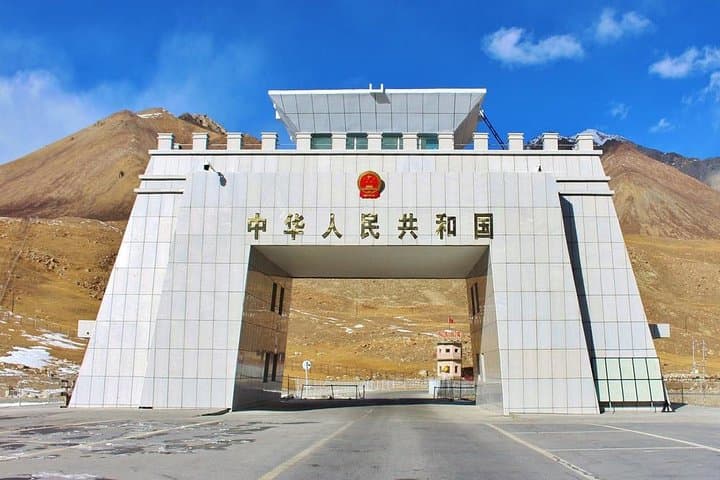
Explore this destination with Hunza Wheels
Explore available Hunza Wheels private tours and discuss suitable transport and itinerary arrangements for your trip.
Frequently asked questions
Is a special permit required for all international tourists visiting Northern Pakistan?
Standard road sightseeing in main valleys like Hunza and central Skardu generally requires only a valid Pakistani visa, passport, and checkpoint registration. However, restricted border regions, national parks, and technical high-altitude treks require designated permits or Non-Objection Certificates.
Which season offers the safest conditions for mountain road travel in Northern Pakistan?
Autumn, from September to November, generally provides the most stable weather, clear skies, and lowest landslide risk. Late spring from May to June is also favourable, whereas summer monsoon months require extra caution due to rain-induced landslips.
How reliable are domestic mountain flights to Gilgit and Skardu?
Domestic flights to Gilgit and Skardu depend strictly on visual weather conditions and are subject to frequent delays or cancellations caused by cloud cover or wind. Travellers should always maintain flexible schedule buffers and overland transport backup plans.
Can solo female travellers safely travel through Northern Pakistan?
Many solo female tourists travel through Northern Pakistan without incident each year. Dressing modestly, respecting conservative local customs, staying in reputable accommodation, and arranging verified local transport contribute significantly to a secure and comfortable trip.
How can travellers arrange private local transport and custom tours in Hunza?
Travellers can review vehicle options, private transport services, and customized itineraries by visiting the Hunza Wheels Tours page at ../tours.html to organize suitable arrangements with local drivers.