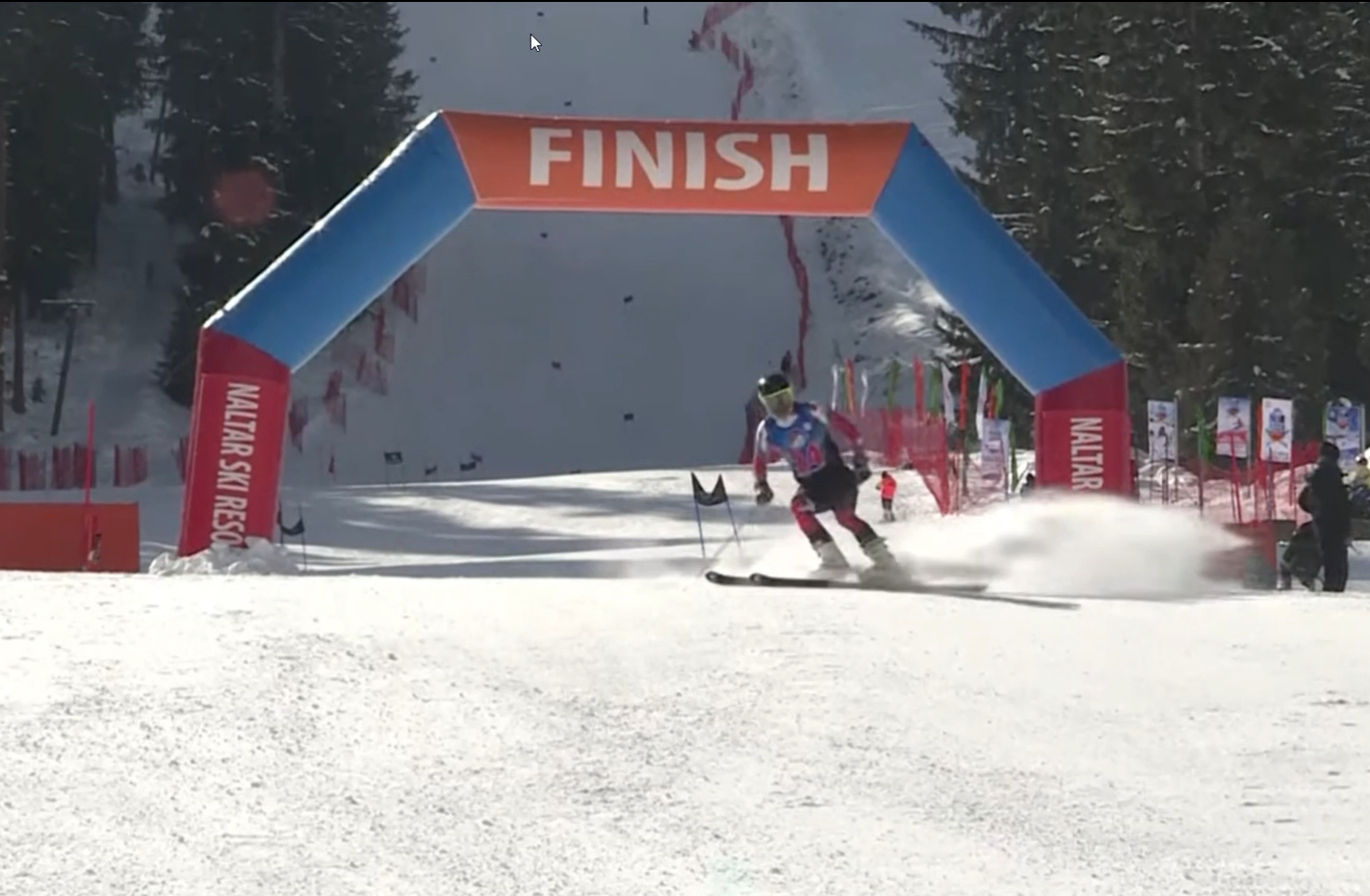
Tucked away in the dramatic Karakoram mountains of Gilgit-Baltistan, Naltar Valley is renowned for its dense pine forests, turquoise alpine lakes, and its role as Pakistan's oldest established ski resort. Located roughly forty-five kilometres from Gilgit city, Naltar Ski Resort offers a unique high-altitude winter sports destination that attracts ski enthusiasts, adventure travellers, and curious international visitors alike. While the valley shines with vibrant greenery and vivid lakes during the summer, winter transforms its steep alpine slopes into a snow-covered haven ideal for downhill skiing and recreational snow sports. Planning a trip to this remote corner of northern Pakistan requires careful logistics, an understanding of rugged mountain transport, and realistic expectations regarding local infrastructure. This comprehensive guide provides practical advice on navigating travel routes, understanding ski facilities, selecting accommodation, and preparing for an authentic high-mountain journey.
Understanding Naltar Valley and Its Skiing Heritage
Naltar Valley sits at an altitude ranging between 2,800 metres and over 3,000 metres above sea level, surrounded by towering peaks that define the Karakoram Range. The valley is divided into two primary settlements: Naltar Payan, or Lower Naltar, and Naltar Bala, or Upper Naltar. The ski resort itself is situated in Upper Naltar, positioned amidst striking evergreen coniferous forests that create an alpine aesthetic distinct from the arid river valleys found elsewhere along the main Karakoram Highway.
The history of skiing in Naltar is closely tied to the Pakistan Air Force, which established the ski resort in the mid-twentieth century primarily as a mountain survival and snow technique training facility. Over the decades, Naltar has evolved into a key venue for national winter sports championships, attracting athletes from across the country as well as international competitors participating in regional winter fixtures. The resort features a ski lift system, including a chairlift installed to carry skiers up the main slope. For international visitors, Naltar offers a rare opportunity to experience South Asia's mountain sport culture within an authentic, undeveloped high-altitude setting.
- Located approximately 45 kilometres north-west of Gilgit city
- Home to high-altitude evergreen pine forests and alpine scenery
- Serves as the historic hub for national ski competitions in Pakistan
- Elevation exceeds 2,800 metres, requiring basic altitude awareness
Skiing Facilities, Slopes, and Winter Sports
The skiing terrain at Naltar caters to a range of abilities, though facilities remain modest compared to commercial European or North American resorts. The environment is rugged, natural, and defined by local mountain conditions.
Slope Layout and Lift Infrastructure
The primary ski slope at Naltar extends along a wide alpine bowl that benefits from natural shade, helping maintain snow cover throughout the peak winter months. The main slope is served by a commercial chairlift operated by the resort management, alongside smaller ski lifts designated for beginner and training slopes. Slope conditions can vary considerably depending on recent snowfall, wind patterns, and daytime temperatures. Beginners and intermediate skiers will find suitable terrain on the lower and central sections of the hill, while more advanced skiers can explore steeper sections, provided safety conditions permit.
Ski operating schedules, lift ticket availability, and slope maintenance are heavily dependent on weather conditions and local operational decisions. Visitors should note that operating hours are not strictly fixed year-round and can change on short notice due to power supply variations or heavy snowfall. It is advisable to verify operational status upon arrival in Gilgit or through local transport contacts before making the final drive into the valley.
Equipment Rental and Coaching Support
Equipment hire is available near the base of the ski slope, offering basic skiing gear such as skis, boots, and poles. However, the variety of boot sizes and modern high-performance equipment can be limited compared to commercial ski resorts elsewhere. Travellers who require specific boot fits or specialised snowboarding equipment are strongly advised to bring their own gear or arrange rentals in advance through specialised outfitters in major urban centres or Gilgit.
Basic instruction and guiding can often be arranged locally through resident instructors and local ski club members. These local guides offer valuable insight into snow conditions and slope etiquette. Winter sports events, including national ski championships, typically take place between January and February. During these event periods, the resort experiences higher visitor numbers, and access to certain slopes or accommodation facilities may be restricted to event participants and official delegations.
How to Travel to Naltar Ski Resort
Reaching Naltar requires navigating both major transport corridors and steep, unpaved mountain tracks. Travellers must plan their journey in distinct stages, ensuring appropriate vehicles are chosen for each leg of the route.
Reaching Gilgit: The Gateway City
The primary gateway for any trip to Naltar is Gilgit, the administrative centre of Gilgit-Baltistan. Travellers starting their journey from Islamabad have two primary route options: flying directly to Gilgit Airport or travelling by road via the Karakoram Highway. Flights to Gilgit operate daily, weather permitting, offering spectacular views of Nanga Parbat and the surrounding ranges. However, high-altitude flights in this region are subject to frequent cancellations or delays due to cloud cover and wind conditions. Travellers relying on flight schedules should build flexible buffer days into their itineraries.
The overland journey along the Karakoram Highway from Islamabad to Gilgit takes approximately fifteen to twenty hours by private vehicle or long-distance bus, passing through Mansehra, Besham, and Chilas. Alternatively, during summer and early autumn, travellers can opt for the scenic route via the Babusar Pass, though this pass is closed throughout the winter due to heavy snow accumulation. Regardless of the chosen route, overland travel in Northern Pakistan requires patience, adequate rest stops, and flexibility.
The 4x4 Mountain Drive from Nomal to Naltar
From Gilgit city, the journey to Naltar begins with a relatively smooth drive along a paved road to the village of Nomal. Beyond Nomal, the terrain changes dramatically, with the road transforming into an unpaved, rough dirt track that weaves through narrow river canyons and climbs sharply up into Naltar Valley. Standard two-wheel-drive sedans or low-clearance vehicles are completely unsuitable for this stretch, especially during winter when ice, mud, and slush cover the track.
Reaching Upper Naltar requires a rugged four-wheel-drive (4x4) vehicle operated by an experienced local mountain driver. During the winter months, snow chains are mandatory to navigate icy inclines safely. The drive from Gilgit to Naltar Bala generally takes between two and three hours, depending on weather and road conditions. For travellers seeking reliable mountain transport, exploring options with Hunza Wheels Tours (../tours.html) allows you to arrange suitable 4x4 vehicles and professional local drivers familiar with winter road navigation across Gilgit-Baltistan.
Accommodation and Lodging in Naltar Valley
Accommodation options within Naltar Valley are modest and focused on basic comfort rather than luxury hospitality. Most lodging facilities are situated in Naltar Bala or near the entry points of the valley. Options range from small locally run guesthouses and family-owned hotels to government-operated rest houses. The Pakistan Air Force operates facilities near the ski slopes, though access to these accommodations often requires prior permissions or official bookings.
Staying in Naltar during winter requires realistic expectations regarding amenities. Electricity supply in the valley can be erratic, and high-wattage heating appliances may not always function continuously. Most guesthouses rely on traditional wood-burning stoves, known locally as a bukhari, to heat rooms and communal areas. Hot water availability may be restricted to specific times of the day or provided in buckets upon request. Packing high-quality thermal sleeping bags, insulated jackets, and headlamps is recommended to ensure a comfortable stay during cold winter nights.
- Basic family-run guesthouses offer modest rooms with local hospitality
- Traditional wood-burning stoves are widely used for room heating
- Hot water supply and electricity can be variable during winter months
- Advance booking is strongly recommended during national ski competition dates
Essential Travel Planning and Seasonal Considerations
A successful trip to Naltar relies on seasonal awareness, proper documentation, and realistic communication planning. Conditions in the high Karakoram change rapidly between summer and winter.
Choosing the Right Season
The ideal time to visit Naltar depends entirely on the purpose of your trip. The winter season for skiing typically runs from late December through early March, when snow cover on the slopes is most consistent. During this period, temperatures frequently drop well below freezing, particularly at night, and daylight hours are shorter.
Conversely, the summer season from May to October turns Naltar into a vibrant green retreat famous for its colourful alpine lakes, including Naltar Lake, also known as Satrangi Lake, and Pari Lake. Summer travellers can enjoy pleasant temperatures, alpine flower blooms, and accessible walking tracks, though skiing facilities do not operate during these warmer months. Spring and autumn serve as transitional periods with variable weather and limited local services.
Permits, Security, and Mobile Connectivity
Foreign nationals visiting Gilgit-Baltistan must register at security checkpoints along the travel route. It is essential to carry multiple photocopies of your passport, valid Pakistani visa, and entry stamps to present at police registration posts in Gilgit and entry points to Naltar Valley. Travel regulations can change based on local security assessments, so visitors should verify current entry rules prior to setting off.
Mobile phone connectivity in Naltar is limited. While local cellular networks like SCOM provide coverage across parts of Gilgit-Baltistan, signals in Upper Naltar can be weak or intermittent, especially during winter power outages. Visitors should inform family or travel organisers of their itinerary in advance and avoid relying solely on mobile data for navigation or communication.
Responsible Tourism, Mountain Safety, and Environmental Ethics
Naltar Valley boasts a delicate high-altitude ecosystem, home to dense alpine forests and rare wildlife species such as the snow leopard and Markhor. Visitors play a crucial role in preserving this natural environment by practicing responsible tourism. All non-biodegradable waste, such as plastic bottles and food packaging, should be packed out of the valley and disposed of in designated municipal facilities in Gilgit. Supporting local businesses, employing local drivers, and dining at family-run eateries ensures that tourism benefits the valley's resident community directly.
Safety in alpine environments requires continuous risk assessment. Winter travellers must remain cautious regarding mountain hazards, including freezing road conditions, falling rocks, and potential avalanche risks along steep road cuts. Always consult local drivers and valley residents regarding current slope and road conditions before embarking on excursions.
It is important to distinguish casual alpine sightseeing and recreational downhill skiing at established resort slopes from wilderness trekking or high-altitude mountaineering. While basic walking around Naltar's lakes or skiing on the managed resort slope requires standard mountain awareness, ambitious multi-day treks into surrounding mountain passes require formal permits, qualified trekking guides, specialised high-altitude gear, and comprehensive emergency evacuation insurance.
Explore this destination with Hunza Wheels
Explore available Hunza Wheels private tours and discuss suitable transport and itinerary arrangements for your trip.
Frequently asked questions
What is the best time of year to go skiing at Naltar Ski Resort?
The primary winter ski season at Naltar generally runs from late December to early March, depending on natural snowfall levels and local temperature trends.
Do I need a four-wheel-drive (4x4) vehicle to reach Naltar Ski Resort?
Yes, a rugged 4x4 vehicle with high ground clearance is essential for the unpaved mountain road between Nomal and Naltar, particularly during winter when snow chains are required.
Are ski equipment and boots available to rent on-site at Naltar?
Basic ski gear is available for rent near the slopes, but availability and boot sizes are limited; serious skiers or snowboarders are advised to bring their own equipment.
What documents do international tourists need to bring to Naltar?
International tourists must bring their original passport, a valid visa for Pakistan, and several printed copies of both to present at regional security checkpoints.
Is mobile phone internet service reliable in Naltar Valley?
Mobile connectivity in Naltar is generally limited and intermittent; local SIM cards such as SCOM offer the best regional coverage, though power outages can affect service.